
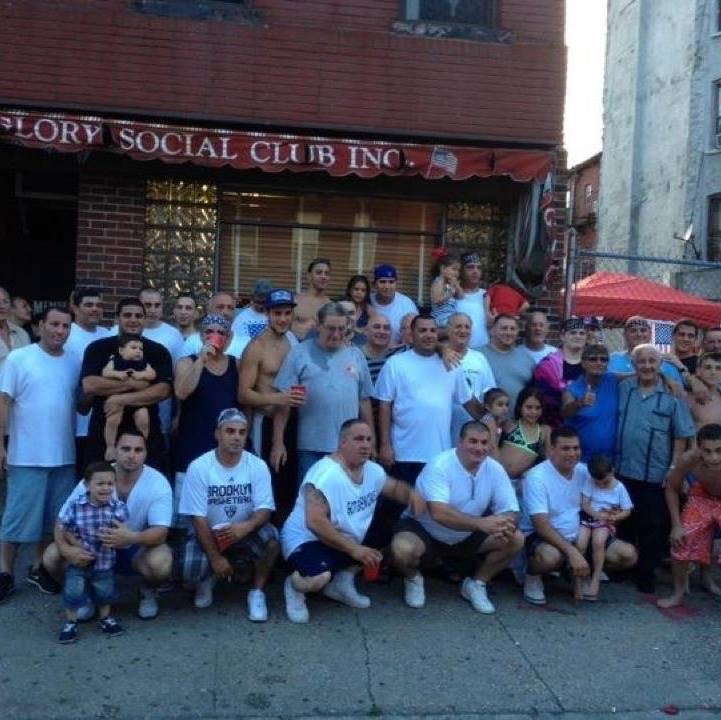
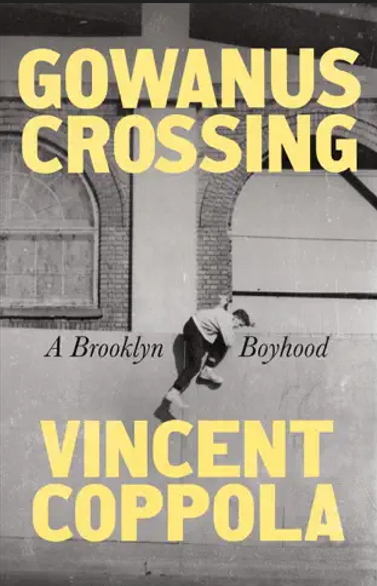
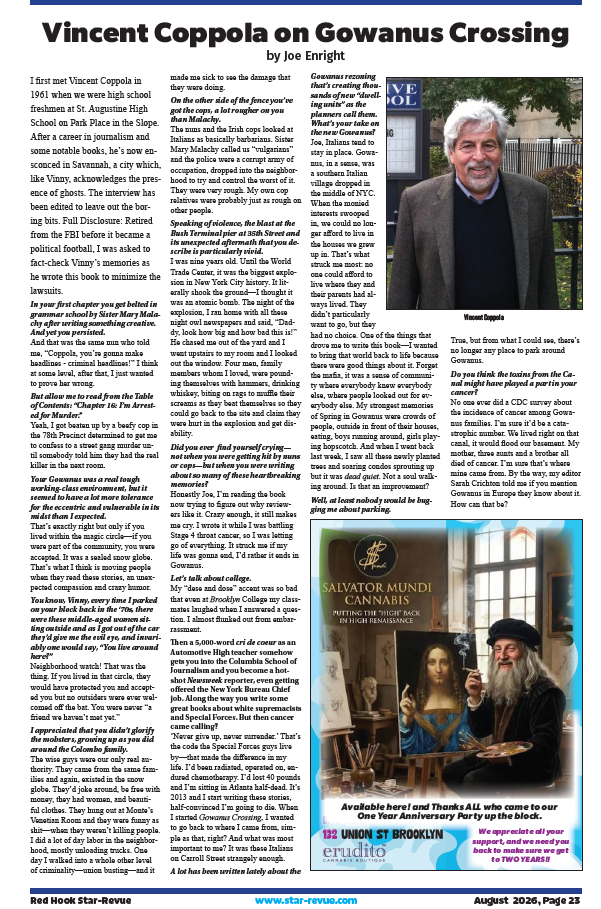
I first met Vincent Coppola in 1961 when we were high school freshmen at St. Augustine High School on Park Place, off 6th Avenue in Park Slope. Like much of the Gowanus we knew back then, it’s long gone. After Brooklyn College, Vince taught at Automotive High School for a few years, bagged a Master’s from the Colombia School of Journalism and became a reporter for Newsweek for many years. His work has appeared in all the big magazines and he’s also written books about white supremacists and Special Forces. He’s now ensconced in Savannah, a city, like Vinny, that acknowledges the presence of ghosts. We conducted this interview via Zoom and it’s been edited to leave out the boring bits. Full Disclosure: Retired from the FBI before it became a political football, I was asked by Vince to factcheck his memories as he wrote this book so as to minimize the lawsuits.
In your first chapter you get belted in grammar school by Sister Mary Malachy after writing something creative. And yet you persisted. And that was the same nun who told me, “Coppola, you’re gonna make headlines – criminal headlines!” I think at some level, after that, I just wanted to prove her wrong.
But allow me to read from the Table of Contents: “Chapter 16: I’m Arrested for Murder.” Yeah, I got beaten up by a beefy cop in the 78th Precinct determined to get me to confess to street gang murder until somebody told him they had the real killer in the next room.
Your Gowanus was a real tough working-class environment, but it seemed to have a lot more tolerance for the eccentric and vulnerable in its midst than I expected. That’s exactly right but only if you lived within the magic circle—if you were part of the community, you were accepted. It was a sealed snow globe. That’s what I think is moving people when they read these stories, an unexpected compassion and crazy humor.
You know, Vinny, every time I parked on your block back in the ‘70s, there were these middle-aged women sitting outside and as I got out of the car they’d give me the evil eye, and invariably one would say, “You live around here?” Neighborhood watch! That was the thing. If you lived in that circle, they would have protected you and accepted you but no outsiders were ever welcomed off the bat. You were never “a friend we haven’t met yet.”
I appreciated that you didn’t glorify the mobsters, growing up as you did around the Colombo family. The wise guys were our only real authority. They came from the same families and again, existed in the snow globe. They’d joke around, be free with money, they had women, and beautiful clothes. They hung out at Monte’s Venetian Room on Carroll, right by the Canal…
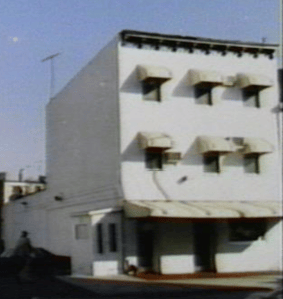
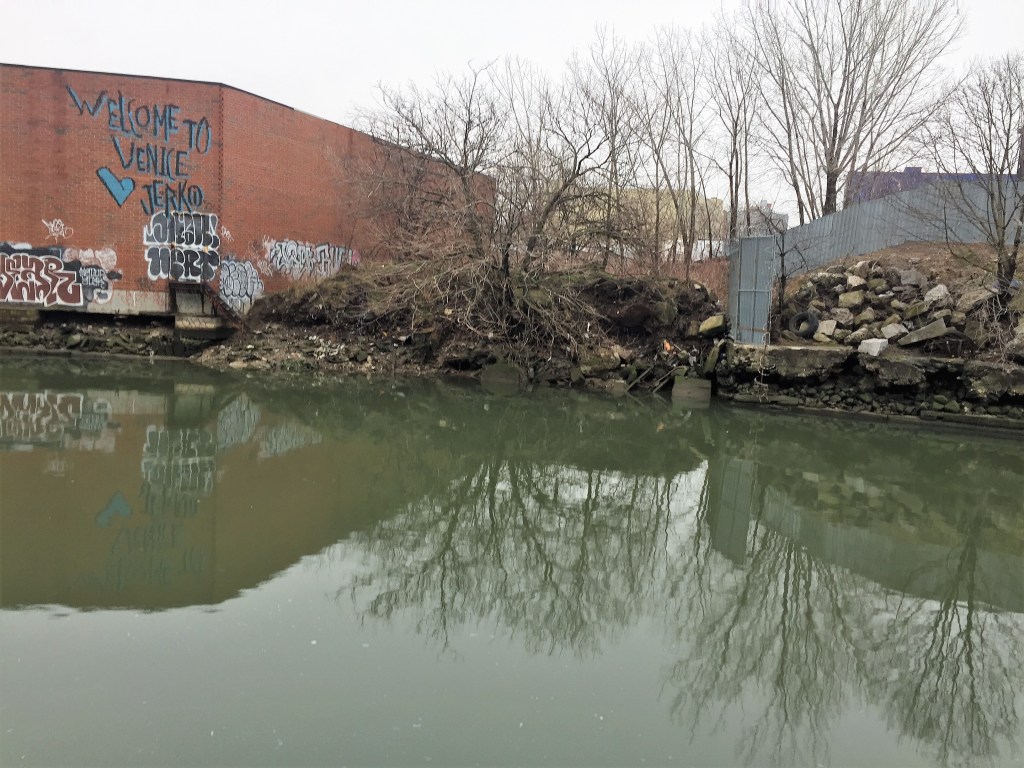
As if! Yeah, kind of a stretch to associate the Gowanus with Venice. [Laughter] So, yeah they were funny as shit—when they weren’t killing people. I did a lot of day labor in the neighborhood, mostly unloading trucks. One day I walked into a whole other level of criminality—union busting—and it made me sick to see the damage that they were doing.
On the other side of the fence you’ve got the cops, a lot rougher on you than Malachy. The nuns and the Irish cops looked at Italians as basically barbarians. Sister Mary Malachy called us “vulgarians” and the police were a corrupt army of occupation, dropped into the neighborhood to try and control the worst of it. They were very rough. My own cop relatives were probably just as rough on other people.
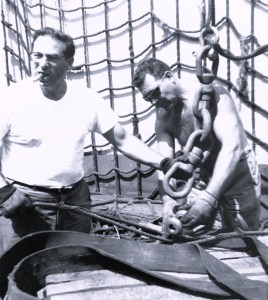
Speaking of violence, the blast at the Bush Terminal pier at 35th Street and its unexpected aftermath that you describe is particularly vivid. I was nine years old. Until the World Trade Center, it was the biggest explosion in New York City history. It literally shook the ground—I thought it was an atomic bomb. The night of the explosion, I ran home with all these night owl newspapers and said, “Daddy, look how big and how bad this is!” He chased me out of the yard and I went upstairs to my room and I looked out the window. Four men, family members whom I loved, were pounding themselves with hammers, drinking whiskey, biting on rags to muffle their screams as they beat themselves so they could go back to the site and claim they were hurt in the explosion and get disability.
Did you ever find yourself crying—not when you were getting hit by nuns or cops—but when you were writing about so many of these heartbreaking memories? Honestly Joe, I’m reading the book now trying to figure out why reviewers like it. Crazy enough, it still makes me cry. I wrote it while I was battling Stage 4 throat cancer, so I was letting go of everything. It struck me if my life was gonna end, I’d rather it ends in Gowanus.
Let’s talk about college. After, tiny, all-boys St. Augustine High School, it was the big inexpensive alternative: City University. My “dese and dose” accent was so bad that even at Brooklyn College my classmates laughed when I answered a question. I almost flunked out from embarrassment.
And then you taught? To my great surprise I passed the teachers exam. I eventually wound up at Automotive High School—I didn’t even know my dad had dropped out of there. I got hired because of my size, not my brain. I was 6 foot, 190 pounds, a useful qualification in unruly schools back then.
You were into cars, so it was custom made for you, right? Not those kind – I was into sports cars! The shop teachers were Italian, Irish, Jewish mechanics. They had a waiver where you could go directly from working in a garage to a classroom. Their classroom approach was not “enlightened.” This is a school that’s a third Black, a third Hispanic and a third white run by rowdy mechanics. It was a circus.
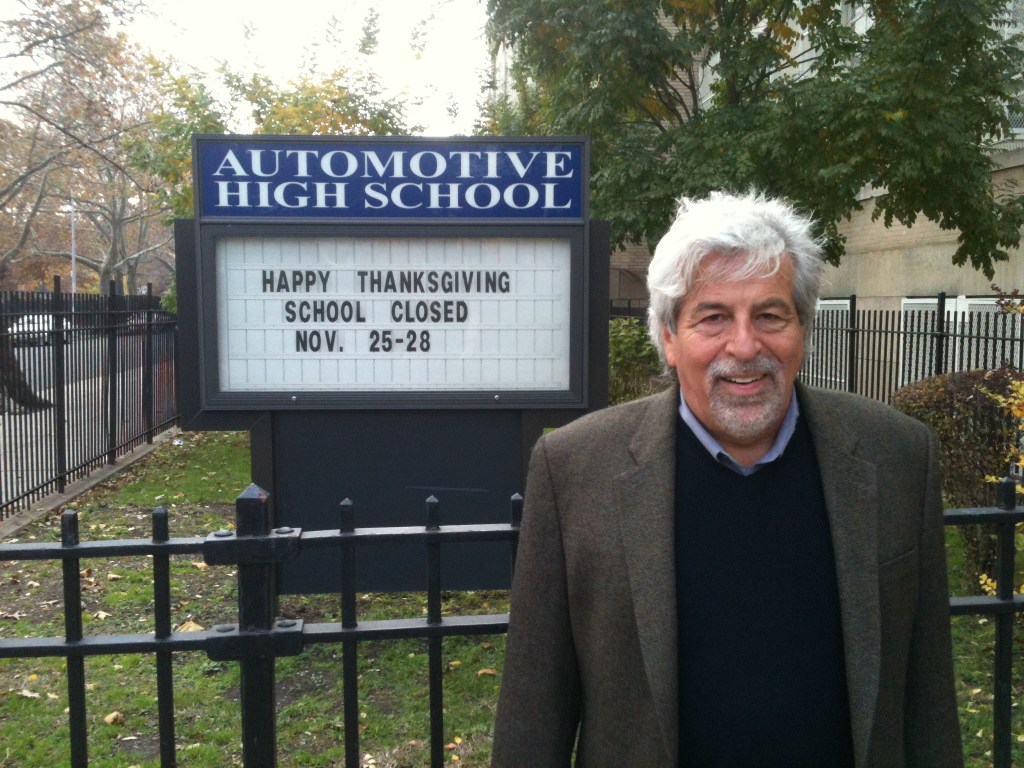
So you didn’t think you’d be doing 20 years to a pension there? No, I applied to Columbia School of Journalism, pretty much an elite enclave. On paper, I had no business being there. When I got to the last part of the application, “In 500 words tell us about yourself.” Now we’re back to Gowanus. I told my life story and it ran 5,000 words.
Only one zero too long. Somebody took the time to read this idiot’s 5,000-word answer and I was accepted. Ironically, life in Gowanus prepared me to be a reporter: nobody would ever shut up, and they all talked at once. I had street smarts, I could talk to people, I wasn’t shy. Just before graduation, Columbia announced a Foreign Correspondents fellowship. My proposal was inspired by one of my West Indian students, Peter Lewis, at Automotive High. I wanted to report on race relations in the United Kingdom. I won the fellowship which included an internship with Newsweek magazine.
Bye-bye Bedford Avenue? Yeah, I had to report to Newsweek’s London bureau in Mayfair, one of the most upscale parts of town, right next to Hyde Park. A former embassy, it was so intimidating that when I got there, I was paralyzed. Enormous doors, wrought iron fence, marble everywhere. I’m saying to myself, ‘Man, I’m so over my head. I’m now exposed for the fraud that I am. What am I doing here?’ I forced myself to walk in. Of course, six weeks later I had my feet on the desk, I was at home. When the internship ended, I reported to the Newsweek chief of correspondents to ask for a job. He said, “Great work. Come back in 10 years.” It was 1978 and I couldn’t get a newspaper job anywhere. Nobody would hire me despite my Ivy League journalism pedigree.
But you were resourceful, you were persistent and you would go on to have a career at Newsweek, in London, Boston, New York, Atlanta. Even getting offered the New York Bureau Chief job. You published great books on our Special Forces and about fanatic militia groups in the wake of the Oklahoma City bombing. And then cancer came calling? ‘Never give up, never surrender.’ That’s the code that the Special Forces guys I wrote about lived by– that made the difference in my life. It’s 2013 and I start writing these stories, half-convinced I’m going to die. When I started Gowanus Crossing, I’d been radiated, operated on, endured chemotherapy. I’d lost 40 pounds and I’m sitting in Atlanta half-dead trying to revisit the life I once lived. I wanted to go back to where I came from, simple as that, right? What was most important to me? It was these Italians on Carroll Street strangely enough.
A lot has been written lately about the Gowanus rezoning that’s creating thousands of new “dwelling units” as the planners call them. What’s your take on the new Gowanus? Joe, Italians tend to stay in place. Gowanus, in a sense, was a southern Italian village dropped in the middle of NYC. When the monied interests swooped in, we could no longer afford to live in the houses we grew up in. That’s what struck me most: no one could afford to live where they and their parents had always lived. They didn’t particularly want to go, but they had no choice. One of the things that drove me to write this book—I wanted to bring that world back to life because there were good things about it. Forget the mafia, it was a sense of community where everybody knew everybody else, where people looked out for everybody else. My strongest memories of Spring in Gowanus were crowds of people, outside in front of their houses, eating, boys running around, girls playing hopscotch. And when I went back last week, I saw all these newly planted trees and soaring condos sprouting up but it was dead quiet. Not a soul walking around. Is that an improvement?
Well, at least nobody would be bugging me about parking. True, but from what I could see, there’s not too many empty parking spots in Gowanus.
Do you think the toxins from the Canal might have played a part in your cancer? No one ever did a CDC survey about the incidence of cancer among Gowanus families. I’m sure it’d be a catastrophic number. We lived right on that canal, it would flood our basement. My mother, three aunts and a brother all died of cancer. I’m sure that’s where mine came from. By the way, my editor Sarah Crichton told me if you mention Gowanus in Europe they know about it. How can that be?
Vinny, I think they’ll know a lot more important stuff about Gowanus once they read your book.
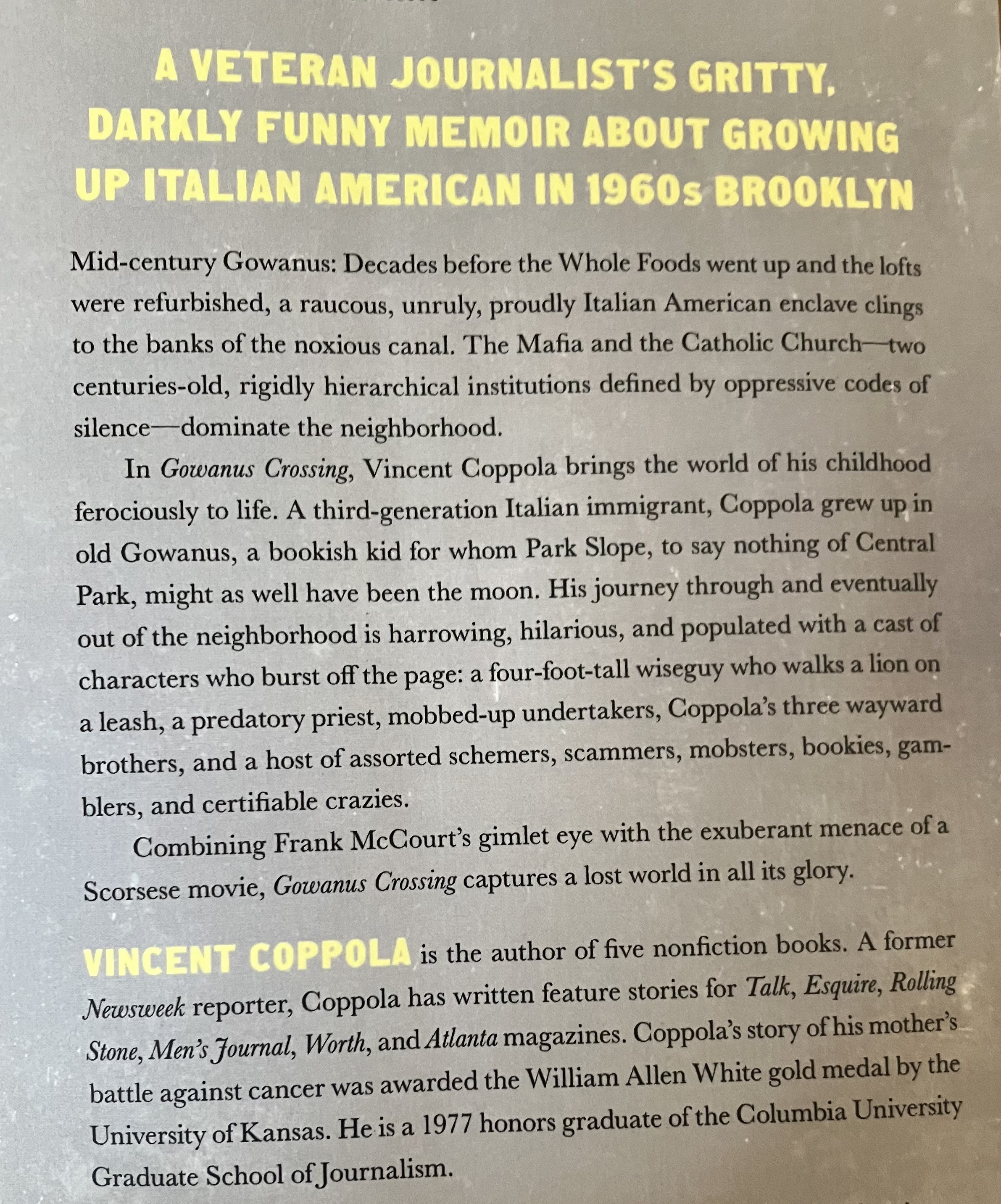
Gowanus Crossing can be purchased at Books Are Magic (225 Smith St. and 122 Montague St.), Community Bookstore (143 Seventh Ave.), all B&N branches, Greenlight (686 Fulton St.) and Red Hook Books (123 Coffey St.)
 Joe Enright's Stuff
Wanted to lyk I just finished reading your piece on your buddy Vincent. In fact, I read it twice because as a fellow Brooklynite growing up in the same era,
I particularly enjoyed all the references to the nuns , the mafia and the police and his meteoric rise to where he is today. Heartbreaking how his family succumbed to cancer and he himself fought a great battle. I look forward to purchasing my copy when I return. Thanx again for forwarding.
Sent from my iPhone
LikeLike
I think Mr. Enight has found an additional career as an interviewer with his most excellent poignant questions
And Mr. Coppola has shown us his continued mastery in writing about the world we live in.
Peter S
LikeLike